
Reading time: 5 mins
Independent community scoring across 12 technical and creative criteria
AI video has raced from novelty to near–studio quality in barely two years. Yet every model still shines in some areas and stumbles in others.
When I embarked on my research for this week’s newsletter, I honestly did not expect my analysis and comparison to be so nuanced.
In my research and experience, there’s a large discrepancy between what the platform states they offer and your actual experience. So to separate hype from reality, I trawled completely independent Reddit threads, Discord communities, niche filmmaking forums and fellow creator blogs — ignoring vendor marketing entirely. I then scored each platform across 12 critical, hands-on criteria—from resolution and photorealism to physics fidelity and prompt obedience—using only the most recent feedback posted between January and May 2025. The table I arrived at took me a few days to assemble, however I hope it saves you a few hours of research on your own journey.
Note: the below assessment is up-to-date as of 22 May 2025.
🥇 1. Runway Gen-4 (+ “References”) — The Cinematic Heavyweight
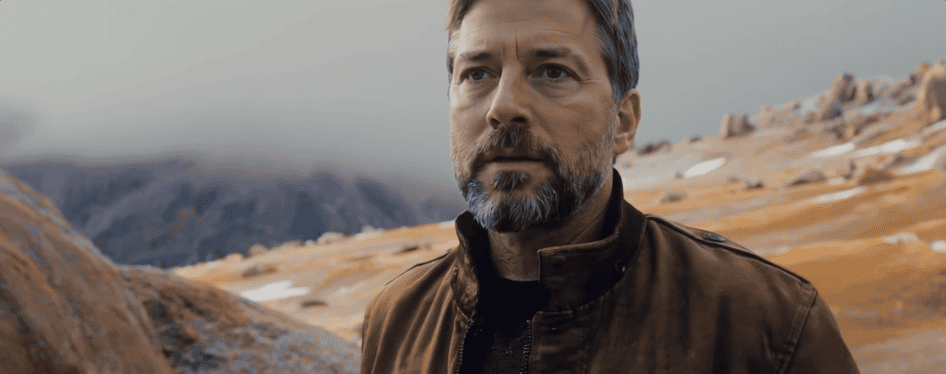
Runway’s fourth-generation model is the one most indie filmmakers gush over. Even though native output tops out at 720p/24 fps, its AI upscaler pushes footage cleanly to 4K with almost no artefacting. It just simply looks beautiful. Community testers rave about the hyper-real lighting, lens breathing and motion-blur that feel ripped from a RED camera. Micro-detail is probably the best in class: fabric weave, pores and subtle wind-blown hair all survive the upscale.
Where it still stumbles is product work (the kind that I’m in)—tiny logos and 6-pt labels blur, and the new three-image “Reference” system only partly fixes brand consistency. Small text is usually illegible, but faces remain remarkably stable, scenes hold together under aggressive camera moves, and physics are believable unless you really push chaos. Add prompt faithfulness, a deep toolset (keyframes, colour-grade, rotoscoping) and a creator-friendly price of US $95/month unlimited, and Gen-4 comfortably tops our 2025 list with an overall score of 85/100.
Stand-out strengths
- Hyper-real lighting and lens effects that rival high-end CGI
- Robust keyframing, color-grading and rotoscoping inside a single browser tab
- Best-in-class scene-locking for steady backgrounds
🥈 2. Google Veo 3 (VideoFX) — Precision Director, Resolution King

Google’s third-generation Veo arrives with native 4K export and an audio-aware diffusion core, yielding luscious shots where dialogue drives mouth-shapes and timing. Early testers praise its “rain that actually behaves like rain” and near-flawless cloth dynamics. Prompt compliance is excellent—specify a 28 mm handheld push-in and Veo obeys.
The trade-offs? Exact brand packaging still goes astray unless it fills most of the frame, and small text melts into blur. The slick Flow interface hides some deeper timelines power-users crave. More painful is the price: Veo bundles inside the new Google AI Ultra plan at US $249.99 mo, a pill creatives can swallow only when client work foots the bill. Veo’s cinematic flair earns it 84/100 and the runner-up spot.
Where it excels
- Uncanny-smooth physics (rain, liquids, swinging cloth)
- Lip-sync and facial musculature that hold up under scrutiny
- Camera-path editor exposes dolly, crane and orbit moves without code
🥉 3. Kling 2.0 — Feature-Rich Powerhouse With a Credit Meter

Kuaishou’s Kling 2.0 is a decent leap over its 1.6 release. Lighting, haze and camera shake look positively “Hollywood,” and its multi-element editor lets you pin objects, shift colour palettes and issue negative prompts few rivals understand. Nevertheless, most creators are still stuck with 720p, while 1080p/30 fps somehow remains a perk on the Enterprise plan. Micro-detail improves thanks to a diffusion-transformer revamp, yet tiny logos warp when the camera pivots and small text is effectively unreadable.
Physics and anatomy are solid (water splashes carry weight; far fewer six-finger incidents), and prompt obedience has levelled up, but advanced UX also means a steeper learning curve. At US $81 for 8000 credits—roughly US $2 per 10-second 720p clip—hobbyists complain it’s pricey. Score: 69/100, a podium finish for tinkerers who value deep controls over wallet comfort.
4. OpenAI Sora — Versatile Generalist Still Learning Physics
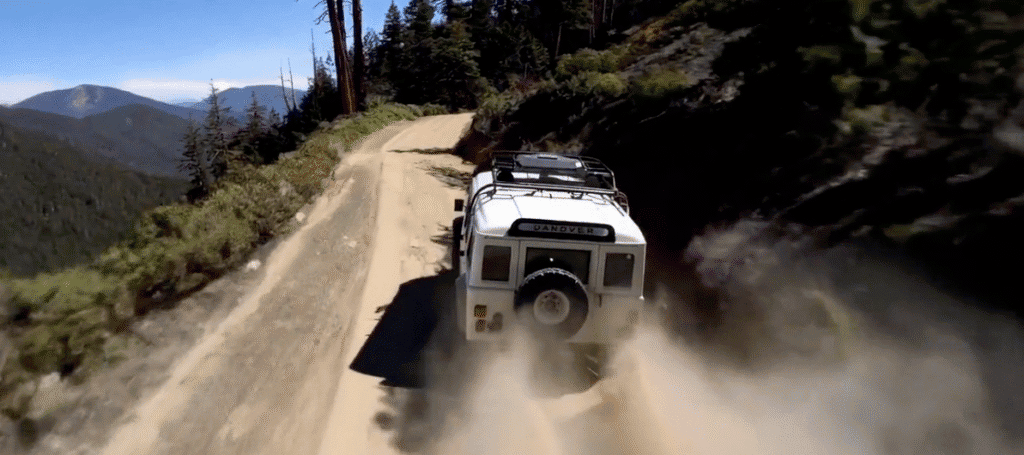
Sora entered 2025 with a raft of upgrades and now outputs 1080p for Pro users. Community creators applaud its balanced palette: detailed landscapes, believable characters and a cinematic “feel” that plays well in commercial work. But branded physical products vanish into abstraction, six-point subtitles implode into glyphs, and gravity occasionally forgets to exist.
Sora’s in-app Remix, Re-cut and Style Presets make iterative storytelling easy, and ChatGPT integration is a boon for script-to-screen workflows. Yet deeper shot-by-shot control is light, and unlimited generation costs a whopping US $200/month. With 67/100, Sora is a great all-rounder, just not the king of any one metric.
5. Kling 1.6 — Last Year’s Star Shows Its Age
Kling 1.6 still ships native 1080p/30 fps—an edge some pros exploit for quick delivery—but it’s starting to reveal cracks. Photoreal lighting and depth-of-field remain impressive, yet waxy skin and uncanny hands creep in. Product-locking “Elements” help cans stay on-model for a beat or two before labels smudge. Small text is a lost cause, character drift appears in longer takes, and physics occasionally feels “game-engine.”
The upside? You get 66 free credits daily and the same US $81/8000-credit pack as v2.0, making it the cheapest way into 1080p AI video today. Overall, though, it earns 63/100 and rounds out our list.
The Master Cheatsheet
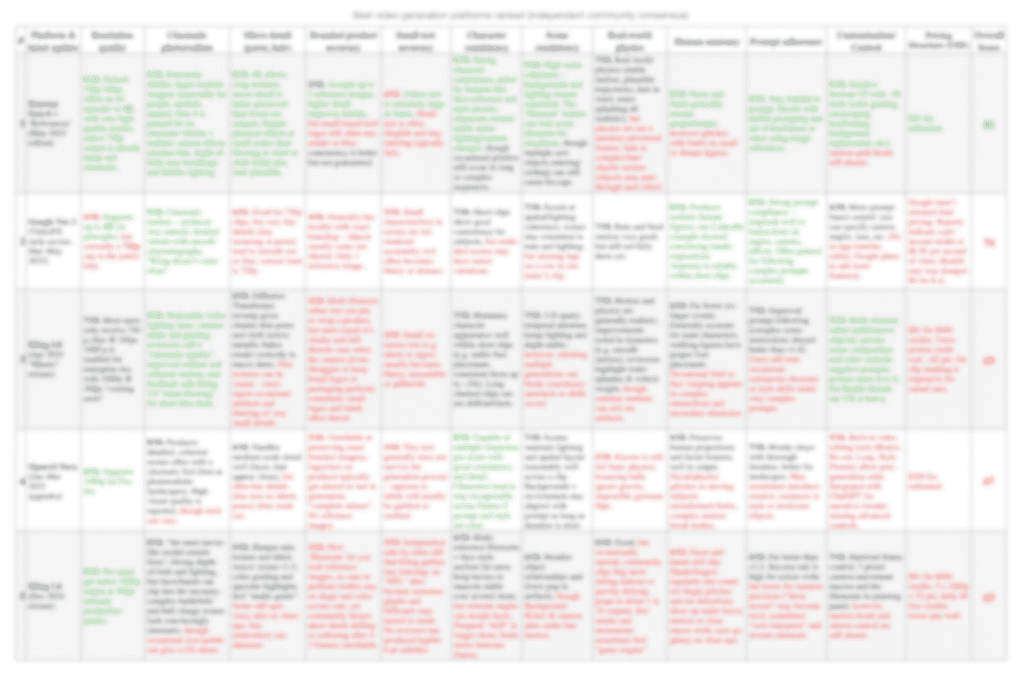
I spent days creating a comprehensive colour-coded one-page cheatsheet that systematically compares all of these platforms across all 12 criteria. It will quite literally save you hours of research and possibly months of a subscription to a platform that isn’t best for you.
Just drop your email down below, or on the homepage, and you’ll gain instant access entirely for free.
Final Thoughts
While it may appear like there’s an obvious first-prize, there actually isn’t yet one overwhelming “across-the-board” winner in the AI vid-gen game. Each platform has its own unique set of strengths and weaknesses.
If you’re chasing sheer cinematic punch with robust tooling, Runway Gen-4 is probably your winner. Need native 4K and audio-sync? Google Veo 3 delivers. Hardcore tinkerers who crave granular control should eye Kling 2.0, while OpenAI Sora offers balanced versatility for narrative explorers. Kling 1.6 hangs on as a budget 1080p option, but consider it a stop-gap until higher-res democratisation arrives across the board.
Pro tip: Whichever platform you choose, spend time mastering prompt craft, reference-image workflows and negative keywords—user skill still separates breathtaking cinema from uncanny slurry.
As always, these rankings reflect creator community experience in May 2025. Expect rapid point-releases all year; today’s winner may need to defend its crown again by Q4.
Until next week,
Tessa.